


As a professor and director of clinical education at Samford University’s Doctor of Physical Therapy program, Dana Blake, DPT, has spent more than 30 years caring for patients and mentoring students facing illness, loss and uncertainty. Faith has long shaped the way Blake teaches, treats and walks alongside others through difficulty.
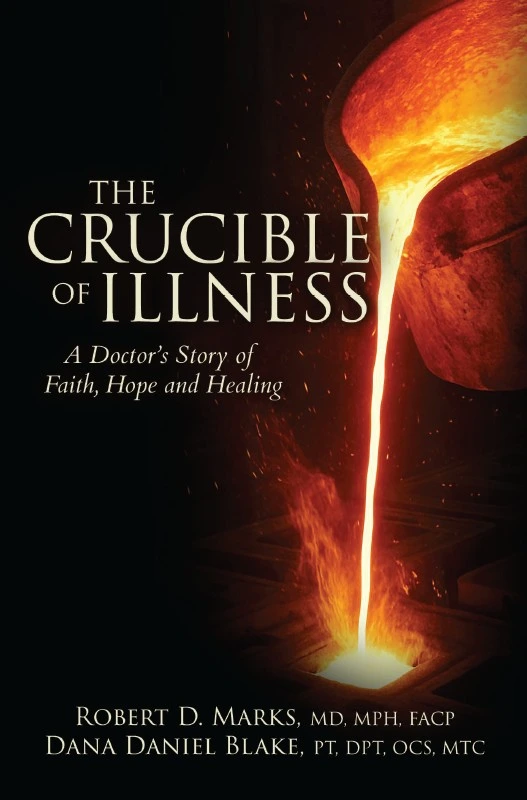
Those experiences, along with a commitment to pray with and support others through difficult seasons, led Blake to co-author The Crucible of Illness with Birmingham-based physician Robert D. Marks. The book reflects Blake’s belief that physical healing and spiritual care belong together, aligning with Samford’s Christ-centered mission by encouraging readers to seek purpose, hope and community in times of illness.
Here, Blake reflects on that calling and the impact of the book:
I have always told my students to care for the whole person, and I try to practice that in everything I do. My heart is to walk alongside people through difficult seasons. My co-author, Robert Marks, a gastroenterologist, wanted to write a book to encourage people going through challenging experiences, and through that shared calling, he was introduced to me. The collaboration grew from a shared desire to combine faith, medicine and encouragement for those walking through illness.
Clinical and spiritual perspectives are both necessary because we are beings with bodies and souls. You need to care for the body, but you also need to care for the soul. Scripture and worship music help fill people with encouragement and hope, which can support healing. There is a connection there, even from a scientific standpoint. That reflects what can happen when we walk through difficult seasons with God alongside us.
Working closely with students has deeply shaped my perspective and the heart behind this book. At Samford, I walk alongside students during challenging seasons, whether those involve financial stress, family struggles, health concerns or loss. It is not a matter of whether people will face hardship, but when. My goal is for students to know they are not alone and that they are cared for during those moments.
That same approach carries into The Crucible of Illness. The patient stories are parables based on real individuals Robert Marks treated, and I helped bring those experiences to life through writing, editing and developing application sections that encourage reflection and growth. I also worked to include Scripture and worship music that offer hope and encouragement. Whether I am working with students or contributing to this book, my calling is the same: to walk alongside people through difficult seasons with care, faith and action.
The book was published in January 2026, so incorporating it into coursework will take time. However, my classes have long addressed spiritual care. I recently submitted a journal article on the importance of addressing patients’ spiritual needs in physical therapy. Research shows most physical therapists believe this is important, yet few practice it. I try to model prayer and encouragement in my teaching and mentoring, and I hope that reflects the message of the book.
I hope readers feel the love of God and know they are not alone. Even in difficult circumstances, they can pray, praise and encourage themselves and others. I want them to rely on their community, share both needs and praises, and support one another. We all need that.
