


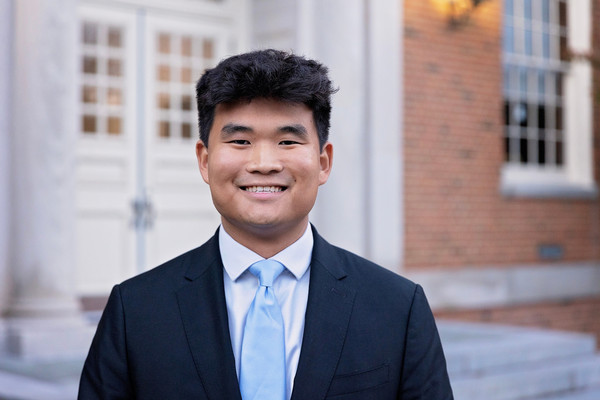
For Samford University Cumberland School of Law students, some of the most important lessons in legal education happen not in a classroom, but alongside clients facing real legal challenges.
Through Cumberland's legal clinics, students gain firsthand experience interviewing clients, conducting legal research, drafting legal documents, developing case strategies and advocating on behalf of individuals in need.
Over the last several years, the law school's clinical program has grown from four to nine clinics, including the addition of the Immigration Advocacy Clinic and the Housing and Economic Assistance Clinic in 2025-26. The school’s repertoire of clinics—including the already established Cooney Contracts and Risk Management Clinic, the Cumberland Veterans Legal Assistance Clinic, the Medical-Legal Partnership Clinic, the Capital Defense Clinic, the Criminal Appeals Clinic, the Innocence Clinic and the Parole Clinic—address a wide range of community needs while introducing students to diverse areas of legal practice.
Under the supervision of faculty members and practicing attorneys, students provide legal services, advocate for vulnerable populations and gain experience that bridges the gap between law school and practice. During the 2025-26 academic year, students served 608 clients, providing critical legal assistance while developing the practical skills and professional judgment required of effective attorneys.
"We have made a concerted effort in recent years to grow our clinical offerings because the law is ultimately about service," said Dean Blake Hudson. "Through our clinics, students receive hands-on training while serving some of the most vulnerable members of our community."
These clinics have become one of the most meaningful parts of the students’ legal education.
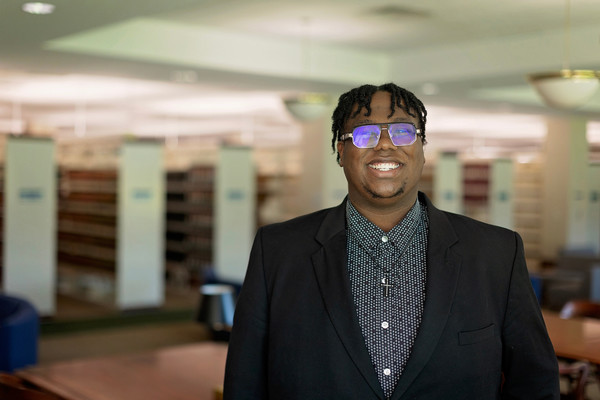 "My time in Cumberland's Innocence Clinic has been one of the most formative experiences of my legal education," said third-year student Daniel J. Washington. "What makes Cumberland's clinics so special is that students can do good work for real people while being guided by extraordinary professors and attorneys every step of the way."
Washington applied classroom lessons to real cases by examining records, investigating claims and advocating for individuals who may have been overlooked within the criminal legal system.
"The Innocence Clinic allowed me to apply the knowledge I gained in the classroom to real cases," he said. "It showed me that effective lawyering is often found in the details, the willingness to thoroughly review a record, question assumptions and think critically about every aspect of a case before concluding. Most importantly, the experience reinforced my belief that the pursuit of justice is one of the legal profession's highest callings and strengthened my commitment to being an advocate who approaches every case with diligence, integrity and compassion.”
Students in the Criminal Appeals Clinic similarly encounter the realities of legal practice while refining critical advocacy skills.
"The Appeals Clinic honestly made me even more interested in appellate work," said Jordan JaDella Smith, JD/LLM ’26.
Working through a real murder case, Smith and her classmates reviewed files, developed legal arguments, drafted briefs and presented oral arguments. The experience strengthened her confidence as a writer and advocate.
"The class really helped me become more confident in my writing and in standing by the arguments I believed were the strongest," Smith said. "It was also interesting to see how everyone approached the same case differently based on the issues they were assigned, which showed me how much strategy goes into appellate advocacy."
For Smith, the experience provided professional preparation that extends beyond a traditional classroom setting.
"I would definitely recommend this clinic to anyone interested in strengthening their legal writing, oral advocacy and overall confidence as a future attorney because it gives you real hands-on experience you cannot fully get from a traditional classroom setting," she said.
For students in the Medical-Legal Partnership Clinic with UAB Hospital, the opportunity to serve clients while working at the intersection of healthcare and law proved especially meaningful.
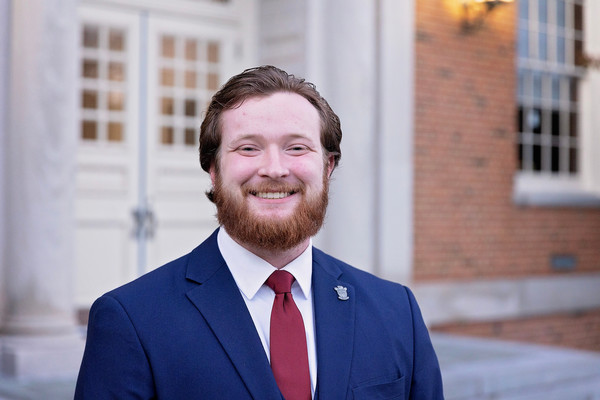 "The Medical-Legal Partnership Clinic was a wonderful experience," said Parker Smitherman. "I was able to gain a deep understanding of how multiple aspects of the medical field interact through hands-on experience and a host of informative speakers."
Smitherman worked directly with clients to prepare wills, powers of attorney and other important legal documents.
"I would highly recommend the Medical-Legal Partnership to anyone who is interested in the medical field or in gaining hands-on experience while making a real difference," he said.
Grant Miller entered the clinic hoping to learn more about the intersection of medicine and law but discovered the most rewarding aspect was serving patients and their families.
"While I did learn a lot about how hospitals really work, the most important work was with the patients," Miller said. "The work we did helped out families through some of the toughest times in all of their lives."
By assisting with powers of attorney, wills and advance directives, Miller saw firsthand how legal services can provide peace of mind during difficult circumstances.
"It was rewarding beyond words," he said. "The skills that I learned and developed throughout this clinic will assist me in my future in healthcare law."
The hands-on nature of clinical education also left a lasting impression on Yaslin Perez, JD ’26, who participated in the Immigration Advocacy Clinic during its inaugural year.
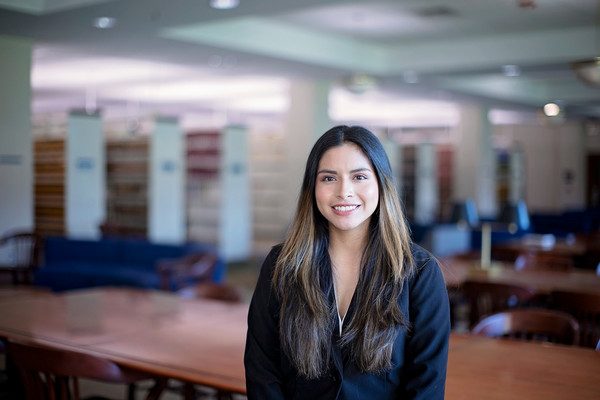 "Participating in the Immigration Clinic was by far my favorite part of my time at Cumberland, and I'm so glad I was able to be a part of it during my last semester of law school," Perez said.
Perez met directly with clients, researched issues related to habeas detention and contributed to legal petitions as a student attorney.
"I got to speak to clients, researched a variety of issues of habeas detention, had my name on numerous petitions as a student attorney, and was grateful that our clinic was able to release two clients from unconstitutional detention," Perez said.
The experience reaffirmed her commitment to a career in immigration law.
"The clinic reminded me of why I initially applied to law school," she said. "I'm excited to continue practicing in immigration after I pass the bar exam."
While each clinic focuses on a different area of law, students consistently describe a common theme: the opportunity to learn by serving others. Whether assisting veterans, supporting children and families, helping clients navigate housing challenges, facilitating dispute resolution, pursuing post-conviction justice or addressing health care-related legal needs, clinic participants gain practical skills while making a meaningful difference in the lives of those they serve. In doing so, they advance Cumberland School of Law's mission of service and discover that some of the most valuable lessons in legal education are learned through helping real people solve real problems.
GIVE: Help advance the work of the clinics. Support Cumberland’s Clinical Program Fund.