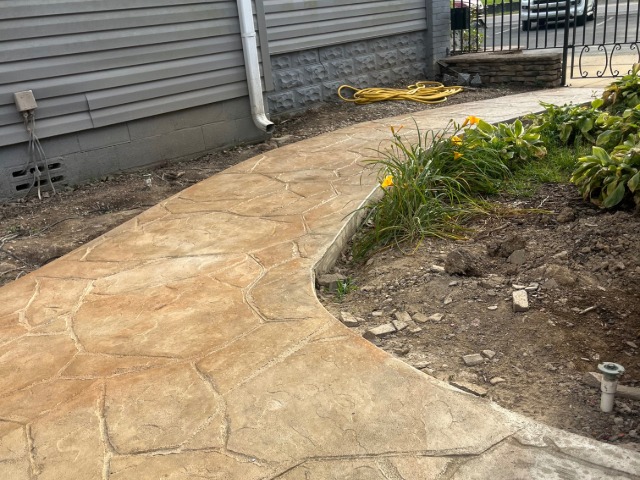
On a quiet corner of Beulah Baptist Church’s campus in Sterrett, Alabama, a long-treasured space has taken on new life thanks to the vision of a rural congregation and the creativity of Samford University School of the Arts students.
What was once a simple prayer garden is now a thoughtfully designed space for worship, reflection and gathering, the result of a monthslong collaboration between the church and students in the Architecture and Interior Design Collective (AIC).
For John Roland, a Samford development officer and pastor of the 174-year-old church, the transformation rings deeply personal.
The Pat Goodwin Prayer Garden has long been a sacred and meaningful space for our church,” he said. “Even before this renovation, the garden held deep spiritual significance. At the same time, we believed it could become even more, a place that was not only meaningful, but also inviting, accessible and beautifully designed.
Named in honor of longtime missions leader Pat Goodwin—who once tended the garden daily—the space carries a legacy of quiet faithfulness that shaped the project.
A Partnership Rooted in Service
The students were eager to use the skills they have learned to benefit our community,” Debby Haralson said.
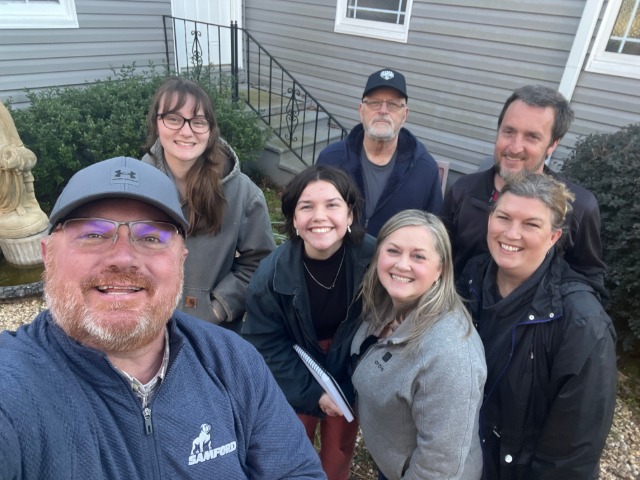 She connected the church with the AIC where student leaders—including community service chair Ella Townsend—embraced the opportunity. After visiting the site and meeting with church members, the team brought the project back to campus with a clear sense of its challenges and significance.
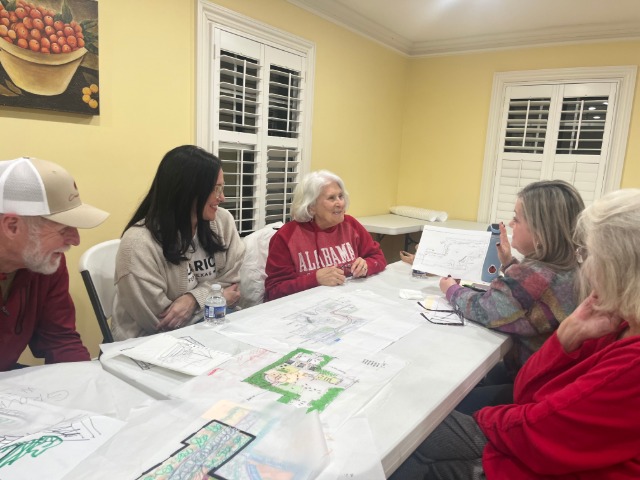
What followed was an immersive design experience. During a collaborative charrette, students worked in teams and were mentored by professional landscape architects to develop proposals shaped by the church’s needs, the site’s constraints and a shared goal: creating a space that would honor its history while inviting future use.
Designing Beyond the Classroom
For Townsend, a senior architecture major, the project offered the chance to see classroom concepts take shape in the real world
“It’s really exciting as a student when the skills you are developing in a classroom and studio setting become tools you can use to help others in really practical ways,” she said.
The work was not without challenges. Designing a landscape—outside the students’ typical focus—required adaptability and guidance from licensed landscape architects.
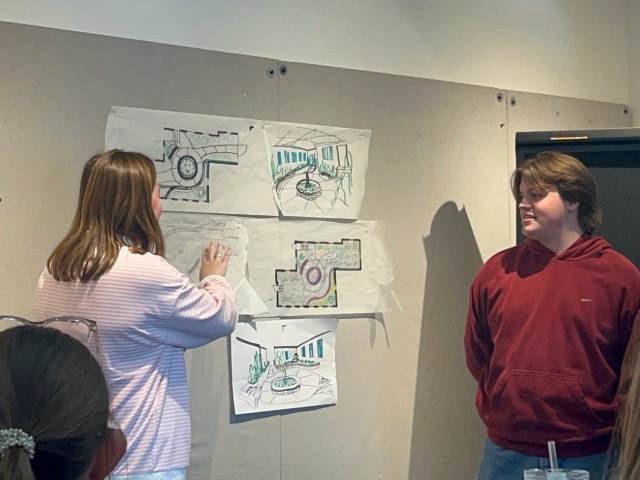 The stakes were higher as we were working for real people on a real project with real money,” Townsend said. “It was exciting and a little intimidating at the same time.
Through mentorship and collaboration, students developed proposals that balanced creativity with feasibility. One design was selected and refined for implementation.
From Vision to Reality
The project gained momentum during Samford Gives Back, when students traveled to Beulah to begin physical work onsite, clearing the garden to prepare for construction.
What has impressed me most is the combination of creativity and professionalism the students brought,” Roland said. “They weren’t afraid to serve with their hands, working side by side with our congregation.
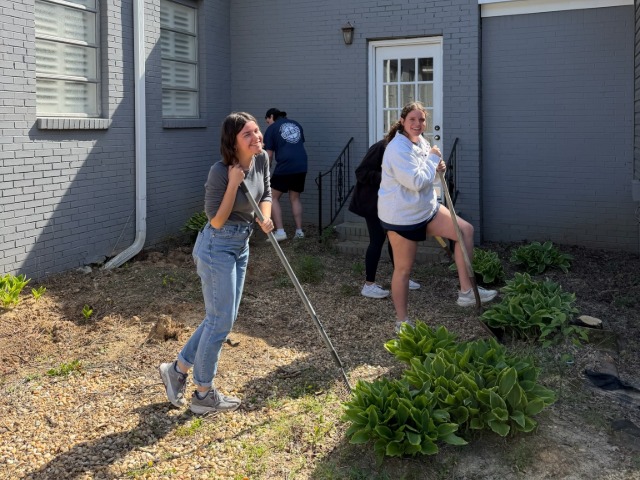 The congregation responded with equal enthusiasm. Members contributed time, labor and financial support, including a $4,500 gift from the Goodwin family.
For Debby Haralson, the partnership reflected something deeper than design.
Community engagement can be a wonderful part of faith formation,” she said. “Students make connections with people they may have never known otherwise.
A Space for Community and Reflection
The completed garden stands as a symbol of collaboration between students and a rural faith community.
I hope it is a peaceful space full of life,” Townsend said. “It was designed with a lot of care.
Roland imagines the garden hosting everything from quiet prayer to weddings and sunrise services.
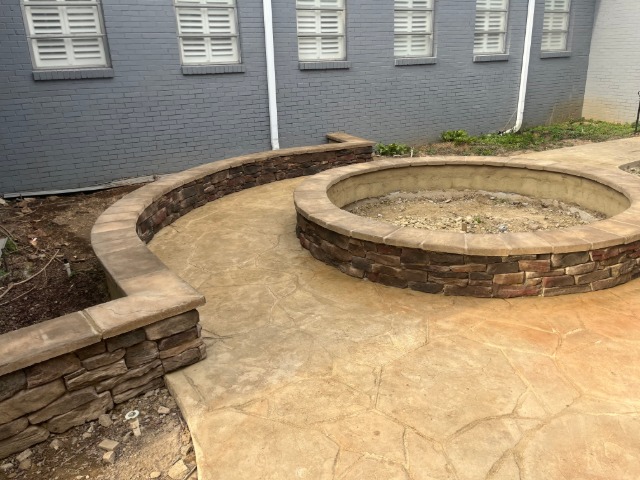
More than anything, we want it to be a place where people encounter peace, presence and the nearness of God,” he said.<
Lasting Impact
For the students, the project offered invaluable experience navigating client relationships, budgets and design execution. For the church, it renewed a cherished space that will serve generations to come.>
I hope that our students know that their education and skills can impact the lives of people in beautiful ways, Haralson said.
And for both, the project stands as a powerful example of what can happen when creativity and service intersect.