



You may also be interested in:
Bachelor of Music
Voice Performance
Own your voice. Command the stage.
Is This Program for Me?
The Bachelor of Music in Voice Performance is designed for students who want to pursue advanced vocal training through intensive study and performance. This degree prepares singers for careers on stage and beyond through personalized instruction, ensemble experience and professional preparation.
This program may be a good fit if you:
- Want to develop your voice through focused, high‑level training
- Aspire to perform in opera, musical theatre or concert settings
- Enjoy both solo and ensemble performance opportunities
- Plan to pursue graduate study in vocal performance
- Are motivated to grow technically, artistically and professionally
What Will I Learn?
Students develop vocal technique, musical artistry and stage presence through comprehensive performance training and academic study.
You Will Learn
- Sing with technical control, clarity and expressive depth
- Perform solo repertoire across vocal styles and languages
- Build stage presence through opera, musical theatre and concert work
- Develop strong skills in diction, interpretation and vocal literature
- Apply music theory and history to performance
- Prepare and present recitals and auditions
What Makes Us Different?
Samford’s voice performance program combines rigorous vocal training with diverse performance opportunities and a highly supportive faculty environment.

Performance‑Driven Training
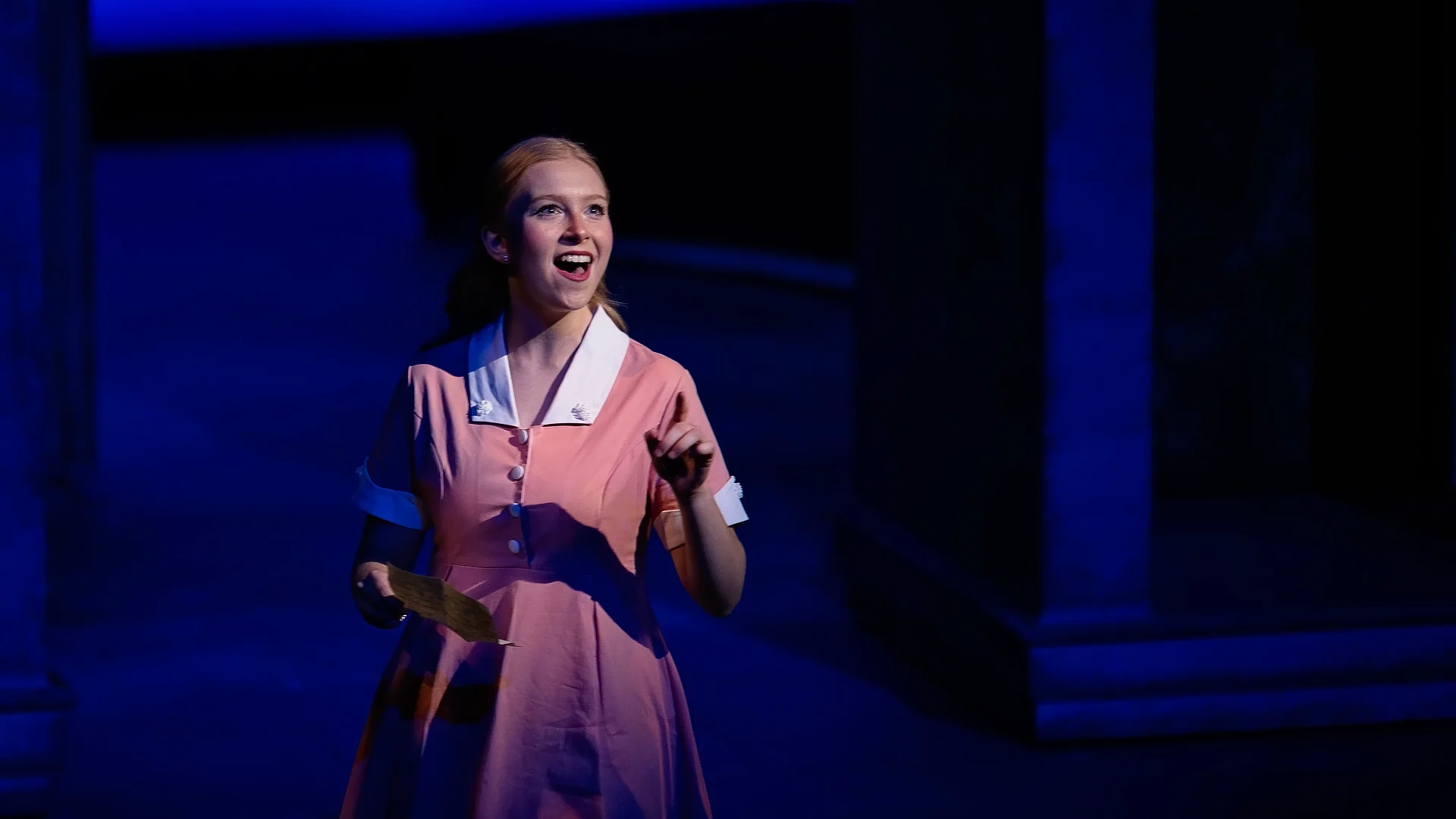
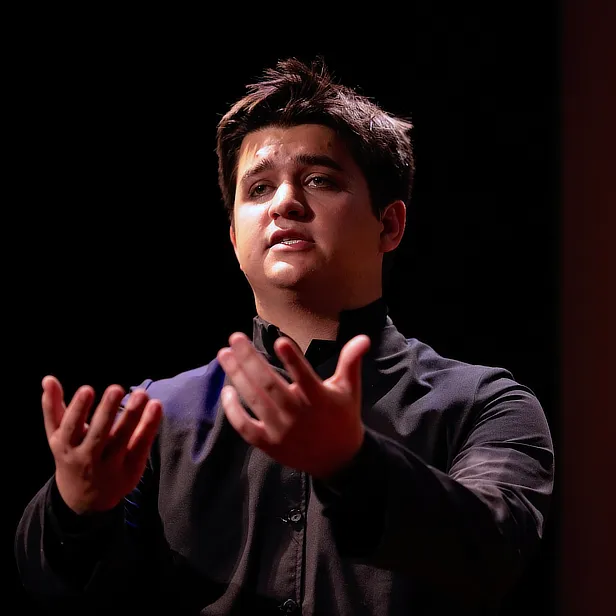
Students receive individualized instruction and perform regularly in recitals, concerts and staged productions, developing the confidence and control required for professional performance.
Opera and Musical Theatre Opportunities
Students perform with Samford Opera, participate in workshops and appear in musicals and touring productions, gaining real stage experience throughout the program.
Ensemble and Collaborative Experience
Voice majors participate in choirs, ensembles and collaborative performances, building versatility and musical awareness across a range of styles and settings.
Mentorship from Distinguished Faculty
Students study with experienced faculty who guide vocal development, artistry and career preparation through close, individualized mentorship.
Career Preparation
The Bachelor of Music in Voice Performance equips students with the vocal technique, performance experience and professional skills for careers in music.
Prepare to Succeed
Students who complete the voice performance degree are prepared to:
- Perform in opera, concert, musical theatre and church settings
- Compete and audition at regional and national levels
- Continue to graduate study in vocal performance
- Teach private voice lessons or work in music education
- Build a professional portfolio of performance experience
Career Opportunities
Graduates of the voice performance program pursue careers such as:
- Professional singer (opera, concert, musical theatre)
- Church soloist or worship leader
- Studio voice instructor
- Collaborative performer
- Graduate student in vocal performance
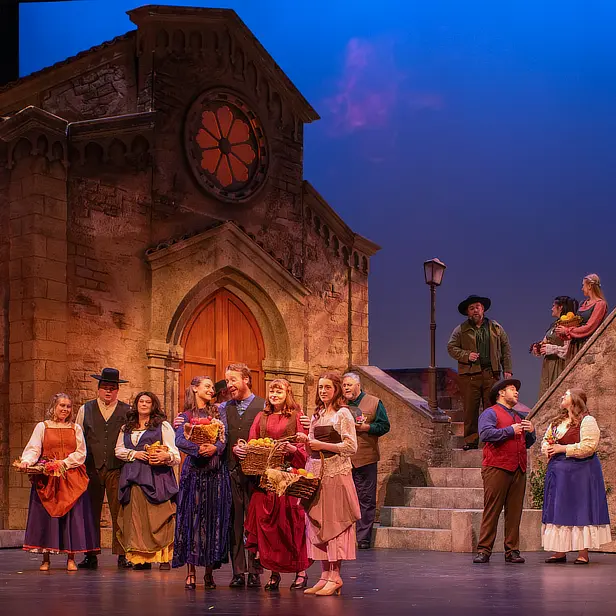
Performance & Professional Experiences
Students gain extensive performance experience through ensembles, opera productions, musicals and solo recitals. Many perform in multiple settings throughout their time at Samford, developing versatility and stage confidence.
Ensembles and productions may include choirs, touring groups and opera performances, with opportunities to perform both on campus and beyond.
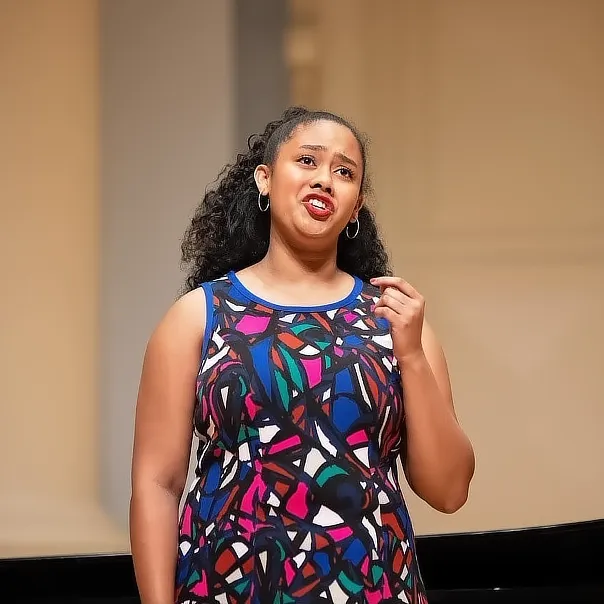
“Samford’s School of the Arts helped transform my artistry, faith and professionalism beyond what I could’ve ever imagined.
“My professors and colleagues provided a community where I could be authentically me. The high caliber training I received while earning my degree prepared me to work in and outside the field of music.”
—Adreanna Pulliam ’24, Vocal Performance
Application Information
Freshman applications for next fall are open.Freshman Early Action applications close November 1st.The freshman first scholarship deadline is December 1st.Transfer applications for the spring semester close Dec. 15.Freshman FAFSA priority and scholarship deadlines are Feb. 15.Decision day is coming! Freshman applications for fall enrollment close May 1st.Transfer applications for fall enrollment close July 1st.Freshman applications for fall enrollment are closed. Applications for next year open August 1st.Transfer applications for fall enrollment are closed. Applications for next year open September 1st.